Designs · 22 January 2026 · 7 min
Registered designs and unregistered design right are not substitutes
One is a register entry you can wave. The other is an argument about dates, originality and who first marketed the article.
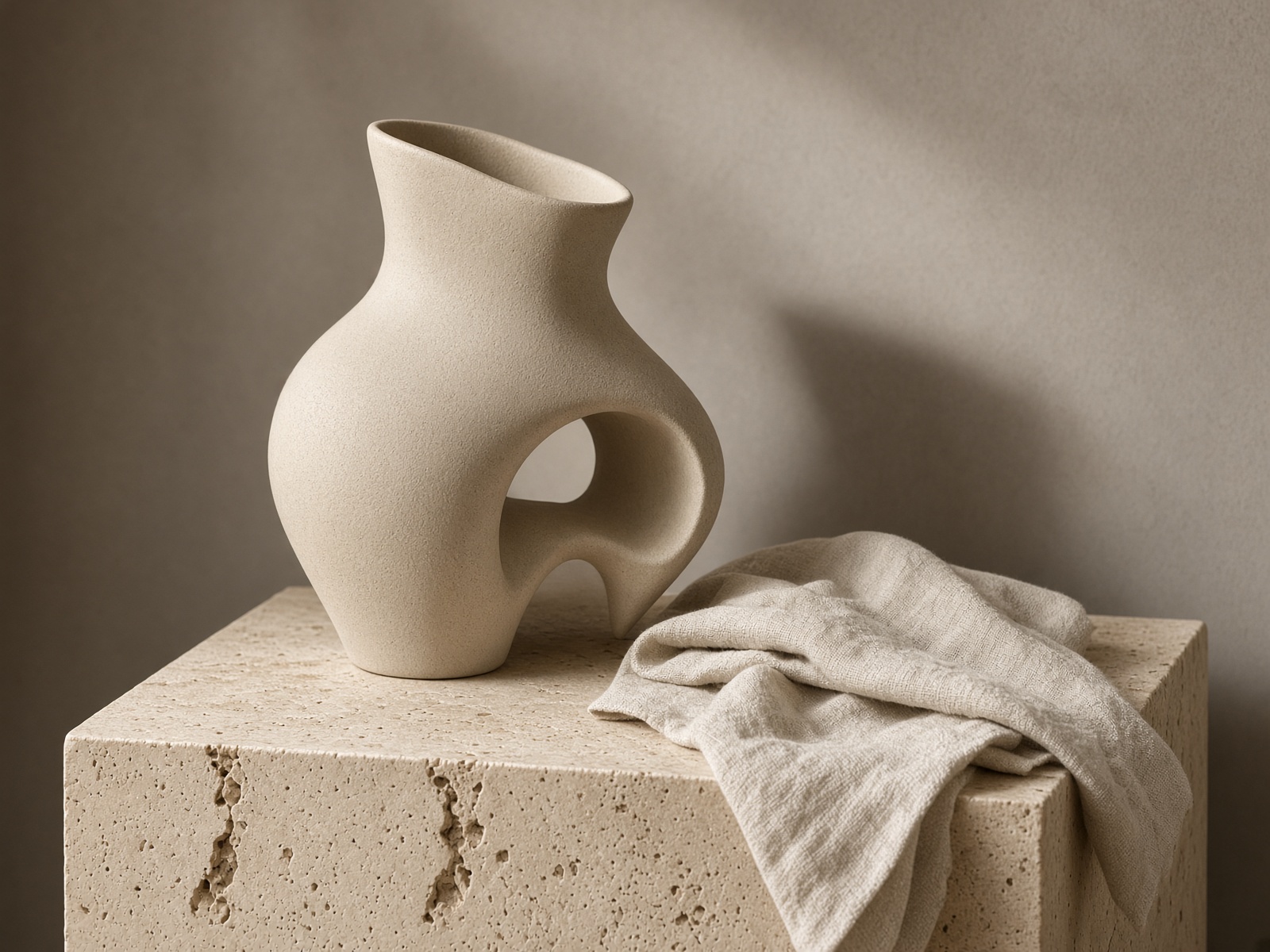
Clients often say they 'have design protection' because a product was shown at a fair. Sometimes they do. Sometimes they have a right that expires in three years, covers only what was disclosed, and will turn on a fight about a Dropbox timestamp. Those are not the same asset.
The registered right
A UK registered design is examined for formalities, placed on a public register, and lasts up to twenty-five years in five-year terms. Infringement is assessed against the registered representations. You do not first have to prove you own the look; you prove the registration and the copy.
The automatic rights
UK unregistered design right protects original shape and configuration. It does not protect surface pattern. Term is fifteen years from first recording or ten from first marketing, whichever is shorter, and the last five years are subject to licences of right. The supplementary unregistered design lasts three years from first disclosure in the UK and does cover surface decoration.
Both automatic rights require you to prove the design, the date, the designer and the chain of title. That is a trial waiting to happen. It is a perfectly good right for a seasonal print. It is a poor sole right for a product whose shape is the business.
A practical split
- File the hero products — the ones a copyist would tool up to imitate.
- Keep a dated disclosure log for everything else.
- Do not show a design at a fair and then wait thirteen months to file. The grace period exists; relying on it is sloppy.
- If the designer is a studio, take the assignment before the invoice is paid, not after the copyist appears.
This note is general information about UK intellectual property practice. It is not advice on a particular set of facts. For that, write to [email protected].