Patents · 18 February 2026 · 8 min
Freedom to operate before you launch in Great Britain
A patent on your own product is not permission to sell it. The question is whether anyone else can stop you.
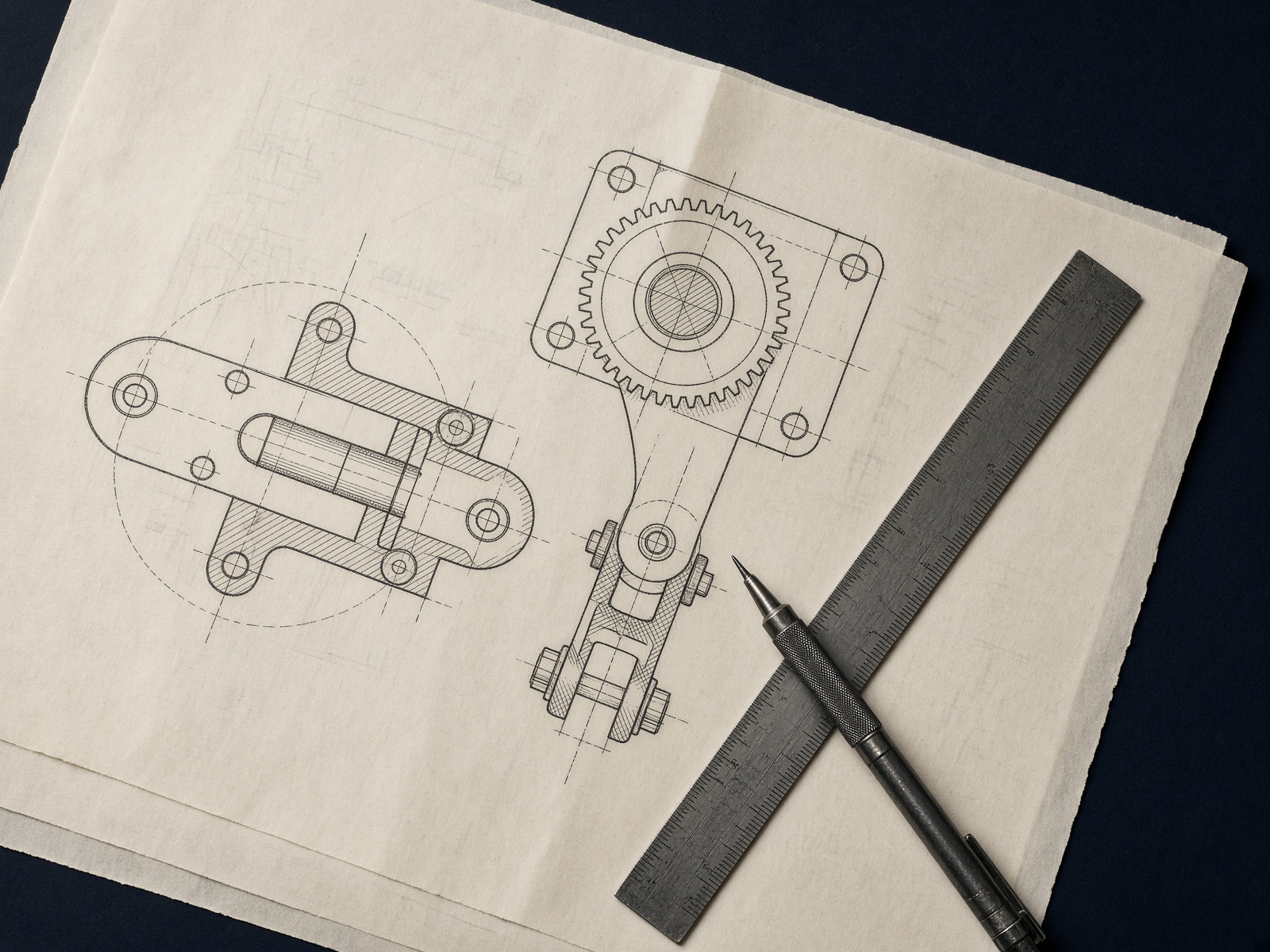
Freedom-to-operate is a clearance exercise. It asks whether selling this product, in this form, in Great Britain, would infringe a patent or a supplementary protection certificate that is in force here. It is a different question from 'is our invention patentable', and it is the one that actually stops a launch.
When to run it
Run it when the design is stable enough that a searcher can recognise the features, and early enough that a design-around is still possible. A week before a trade show is too late. A napkin sketch is too early. The useful window is the tooling decision.
What a usable opinion contains
- The product description that was actually searched, with drawings, not a marketing paragraph.
- The registers searched: UK, EP(UK), and any SPC that could still be in force.
- The claims that bite, in the attorney's words, and the claims that look close but do not.
- A dated recommendation: proceed, redesign a named feature, licence, or wait for a named right to expire.
An email that says 'we had a look and it seems fine' is not an opinion. It will not help you with an insurer, a buyer, or a judge. We keep the formal note, the search record, and the version of the product it relates to in the same matter.
After the opinion
If the product changes, the opinion ages. A later housing, a different chipset or a new coating can walk you back into a claim that was clear six months earlier. We docket a review against the next design freeze, not against a calendar year.
This note is general information about UK intellectual property practice. It is not advice on a particular set of facts. For that, write to [email protected].